The Top Soft and Hard Skills International Employers Look For
The Changing Landscape of Global Employment: Why Skills Matter More Than Ever
The Top Soft and Hard Skills International Employers Look For in , In today’s interconnected job market, professionals must stand out not just by their degrees or years of experience but also by the unique combination of abilities they bring to the table.
As organizations become increasingly international, cultural diversity, digital innovation, and economic challenges reshape the hiring landscape.
Employers no longer rely solely on academic qualifications; instead, they emphasize both soft and hard skills that ensure candidates can thrive in fast-paced, competitive environments.
The top soft and hard skills international employers look for have become a benchmark for assessing employability across industries, from healthcare and engineering to marketing and information technology.
Hard skills, such as coding, data analysis, or financial modeling, remain essential since they provide the technical expertise needed to perform specific roles.
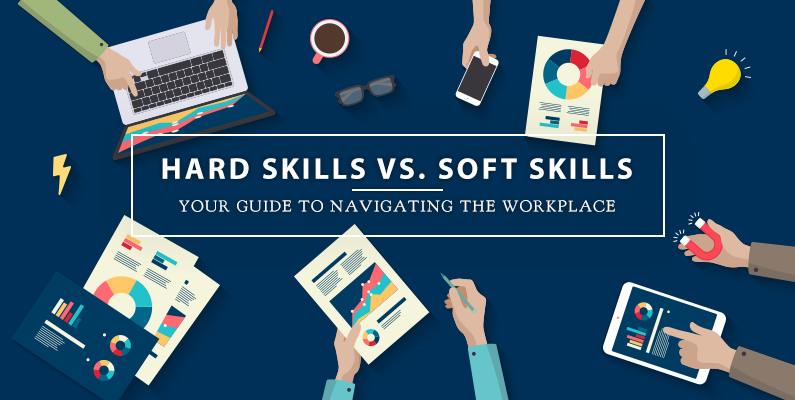
However, in isolation, these are no longer sufficient. Employers now want professionals who can combine technical know-how with soft skills like adaptability, communication, teamwork, and problem-solving.
This blend ensures that employees can not only complete their assigned tasks but also contribute to the growth and innovation of the organization.
For instance, multinational corporations operating in Europe, Asia, and Africa are more likely to hire candidates who demonstrate cross-cultural communication skills, leadership potential, and digital literacy.
According to a recent report by the World Economic Forum, over 50% of employees will need significant reskilling by 2026 to meet evolving industry demands.
That statistic underscores why students, graduates, and experienced professionals alike must invest time in improving their competencies.
As we move forward, it becomes increasingly important to explore which abilities dominate employer expectations.
In this article, we will break down the top soft and hard skills international employers look for, examining their importance, examples of application, and strategies for development.
For those actively searching for opportunities abroad, this guide will serve as a roadmap to preparing for international career success.
Read more about work permit eligible jobs for science graduates to explore how skill acquisition connects directly to global employability.
The Most In-Demand Soft Skills for International Careers
Soft skills have become indispensable in ensuring workplace success, particularly in international environments where employees often interact with colleagues from diverse cultural and linguistic backgrounds.
Among the top soft and hard skills international employers look for, soft skills serve as the backbone of workplace harmony and efficiency.
While technical skills may get you an interview, it is your soft skills that often secure the job and keep you employed in the long term.
One of the most valued soft skills is communication. Employers seek individuals who can clearly articulate ideas, actively listen, and adapt communication styles to suit different audiences.
Whether it’s negotiating with clients, presenting ideas to stakeholders, or collaborating with team members from multiple continents, effective communication is vital.
Alongside communication comes teamwork and collaboration, as modern workplaces rarely operate in silos. The ability to respect different perspectives and contribute positively to team dynamics is a quality international employers consistently prioritize.
Equally significant is adaptability, a soft skill that enables employees to embrace change, work in uncertain environments, and quickly acquire new knowledge. In a rapidly shifting digital economy, adaptability often separates thriving professionals from those who struggle.
Another highly demanded ability is critical thinking and problem-solving. Employers appreciate candidates who can analyze situations, anticipate challenges, and propose innovative solutions that drive organizational success.
Finally, emotional intelligence (EQ) has emerged as a decisive factor in global employment. EQ combines self-awareness, empathy, and interpersonal skills to help employees navigate workplace conflicts and build strong professional relationships.
This skill is especially vital in multinational organizations, where sensitivity to cultural norms and differences fosters inclusion and productivity.
For job seekers aiming to build strong international careers, improving these soft skills is non-negotiable. Participating in leadership training, volunteering for group projects, and seeking mentorship can significantly improve personal and professional development.
To dive deeper into strategies for building soft skills, Harvard Business Review provides excellent resources on cultivating emotional intelligence and adaptability in professional contexts.
Hard Skills That Dominate International Employment Markets
While soft skills ensure workplace integration and leadership success, hard skills remain the foundation of professional competence. The top soft and hard skills international employers look for always include highly specialized technical abilities that align with specific roles and industries.
These skills are measurable, teachable, and often obtained through formal education, certifications, or hands-on training.
Among the most in-demand hard skills is digital literacy. In the era of artificial intelligence, data analytics, and remote collaboration tools, digital proficiency has become a necessity.
Employers require workers who can effectively use software platforms, manage cloud technologies, and adapt to emerging innovations. Specifically, skills such as data science, coding, cybersecurity, and digital marketing are highly sought after across industries.
Teaching Assistant Jobs In Europe
Another critical hard skill is project management. International companies prioritize employees who can organize, plan, and execute projects effectively, often across different time zones and teams. Certifications like PMP (Project Management Professional) or PRINCE2 significantly enhance employability.
Additionally, financial literacy ranks highly, especially for roles in management, consulting, and global trade. Candidates with strong budgeting, accounting, or investment analysis skills are more attractive to multinational firms.
Healthcare and engineering sectors also demand technical skills that cannot be overlooked. Medical professionals must demonstrate expertise in diagnosis, treatment, and medical technology, while engineers must possess design, simulation, and problem-solving abilities in areas such as civil, mechanical, and electrical engineering.
Language proficiency also qualifies as a hard skill, particularly for candidates seeking work in regions with multiple official languages. Fluency in English, Mandarin, Spanish, or Arabic significantly expands employability, especially in global corporations with diverse clientele.
The good news for aspiring professionals is that acquiring hard skills has never been easier, thanks to online platforms like Coursera and edX, which provide affordable and accessible training in coding, AI, finance, and more. By combining certifications with real-world application, professionals can demonstrate their capabilities and remain competitive in international labor markets.
The Synergy Between Soft and Hard Skills in the Workplace
International employers are not merely looking for employees with a list of qualifications; they want individuals who can merge technical expertise with interpersonal abilities to deliver impactful results.
The synergy between soft and hard skills defines career progression, organizational innovation, and long-term professional success. In fact, studies reveal that the most effective employees are those who can bridge this gap seamlessly.
Consider a software engineer working for a multinational technology company. While their coding and programming expertise represent hard skills, their ability to collaborate with non-technical departments, explain solutions in layman’s terms, and adapt to project changes represents soft skills.
Without the combination of both, their contribution would be incomplete. This illustrates why the top soft and hard skills international employers look for cannot be considered in isolation.
Moreover, leadership roles require a balanced skill set. A manager may have exceptional financial modeling skills (hard skills), but if they lack conflict resolution, empathy, and adaptability (soft skills), their team may struggle under ineffective leadership.
The balance ensures that employees can contribute to immediate project goals while also fostering long-term organizational culture and growth.
Scholarships That Cover Flight Tickets + Living Expenses
Employers also value synergy when hiring graduates or entry-level candidates. While new professionals may not have years of experience, their demonstrated ability to combine learned technical skills with interpersonal qualities makes them more attractive than candidates who focus on only one dimension.
For instance, graduates from fields like business analytics or biology who also show leadership initiative during internships often stand out during recruitment.
The integration of both skill types also reflects in professional development opportunities. Employers frequently invest in training programs designed to upgrade hard skills while simultaneously offering workshops on communication, teamwork, and cultural awareness. This dual focus ensures that employees remain relevant and agile, no matter how industries evolve.
To further explore how skills impact global employability, check out our related article on teaching assistant jobs in Europe. It provides insights into how professionals can leverage both technical knowledge and interpersonal abilities to succeed abroad.
Preparing for Global Career Success: Building the Right Skill Set
As industries evolve, preparing for global career success requires proactive investment in both soft and hard skills. Job seekers must not only identify the top soft and hard skills international employers look for but also create a roadmap for acquiring and demonstrating them effectively.
This preparation ensures long-term employability and opens doors to diverse career opportunities across continents.
The first step is self-assessment. Candidates should identify strengths and weaknesses in their current skill sets, followed by setting specific learning goals. Online assessments, career counseling, and mentorship provide valuable feedback on areas needing improvement.
From there, professionals can create a structured learning plan that includes both formal education (degrees, certifications) and informal learning (workshops, volunteering, networking).
Practical application of skills is equally important. Employers prefer candidates who can demonstrate experience in real-world contexts. Internships, part-time work, and freelance projects serve as excellent opportunities to apply technical knowledge while also refining teamwork, adaptability, and problem-solving skills.
Furthermore, joining professional associations or attending global conferences fosters cross-cultural competence and builds professional networks.
Another key element is continuous learning. In a rapidly evolving economy, skills become outdated quickly. Professionals must stay updated on industry trends and adapt by enrolling in short courses, earning micro-credentials, or participating in skill-based bootcamps.
For example, tech professionals might learn new programming languages, while marketers may pursue advanced certifications in digital advertising.
Finally, professionals should highlight their skills strategically in resumes, cover letters, and interviews. Tailoring applications to specific roles and industries while emphasizing both soft and hard skills significantly boosts chances of securing international roles.
Additionally, leveraging LinkedIn profiles and personal websites to showcase projects, certifications, and testimonials ensures global visibility.
For more scholarship and job updates to help you prepare for international careers, visit our latest blog posts where we cover trending opportunities abroad.
By strategically combining preparation, skill acquisition, and global awareness, professionals will position themselves as highly competitive candidates in the international job market.